

Poker in the UAE: The Ultimate Guide to Playing High-Stakes Games Legally
Finding a trusted place to play poker in the Emirates can be a daunting challenge, but poker UAE solves this by connecting you directly with verified private games and exclusive cash tables across Dubai and Abu Dhabi. The platform operates through discreet, member-vetted sessions where skill-based Texas Hold’em and Omaha run in secure, luxurious venues. Simply register your profile, get your play style verified by the community, and you’ll receive curated invitations to games matching your stakes and schedule. Poker UAE is your gateway to elite, invitation-only poker action without the hassle of unverified clubs or scattered contacts.
What Does Playing Poker in the UAE Actually Look Like in 2025?

In 2025, playing poker in the UAE looks like a strictly club-based, invitation-driven experience, centered almost entirely within designated hotel and resort card rooms—not public casinos. You’ll find cash games and small tournaments run by private operators, often behind membership walls, where entry is granted via a passport check and a pre-registration with the venue. Expect no alcohol on the tables, a mandatory dress code, and a dealer-only house edge with no rake visible to players. Games are typically Texas Hold’em and Omaha, with buy-ins ranging from $100 to $5,000, and play is often capped at night by venue curfews.
Your only practical route is booking a stay or dining at the hosting property to gain gameplay access.
Cash is rarely used—chips are tracked to your room or a prepaid card—and phones must be off the table, with security monitoring every hand.
Are There Physical Card Rooms Open to the Public?
For anyone asking are there physical card rooms open to the public in the UAE, the direct answer is no—not in the traditional sense. You will not find a Las Vegas-style poker room with walk-in cash games or tournament boards. Instead, the only legally accessible physical card play happens inside designated hotel private poker clubs, which operate strictly by invitation or membership. These venues are not open to the general public; you must be a vetted member or a guest of one. Casual drop-ins are impossible, and a passport alone will not get you past the door. For a visitor, your practical path is to secure a host invitation through a trusted contact before you arrive, or you simply will not play in person.
What Is the Difference Between Playing at a Resort vs. a Private Game?
At a UAE resort, you get tournament-grade tables, professional dealers, and a structured cash game where buy-ins, blinds, and time limits are enforced—plus security and waiter service are built in. A private game, by contrast, relies on a host’s rules, often features deeper stacks and looser play, and demands you bring your own bankroll discipline. The resort experience is predictable and smooth, ideal for focused sessions; private games offer higher variance and social edge but risk uneven pace. **Choosing between resort and private poker in UAE depends on whether you prioritize structure or flexibility.**
Q: What Is the Difference Between Playing at a Resort vs. a Private Game?
A: Resorts guarantee consistent rule enforcement and comfort, while private games trade that for intimacy, bigger pots, and a faster, more casual vibe.
How to Join a Private Poker Circle in Dubai or Abu Dhabi
To join a private poker circle in Dubai or Abu Dhabi, your best bet is tapping into the expat community through poker UAE WhatsApp groups or Telegram channels where regular home games are organized. Ask around at upscale sports bars or social clubs—players often recruit trusted friends, so getting a warm introduction is key. You’ll typically need to pass a quick vibe check and pay a small buy-in, with stakes set by the host. Always confirm the exact location and entry code only minutes before the game starts, as hosts keep addresses confidential for safety. For poker UAE newcomers, start with low-stakes circles to build your reputation and get invited to more exclusive tables in return.
What Do You Need to Bring to Your First Invite-Only Game?
For your first invite-only game in the UAE, bring only your passport or Emirates ID for identity verification at the door, plus a pre-agreed buy-in amount in cash (usually AED 500–2,000, depending on the host’s stakes). Leave phones, watches, and cameras in your car or a provided locker, as most hosts enforce a strict no-device rule to protect player privacy. Carry a compact card protector or lucky chip if you use one, but avoid bulky items that disrupt the table’s flow. The host will supply cards, chips, and dealer—so never bring your own deck, as it signals distrust and can get you uninvited. Dress smart-casual, matching the venue’s tone, and bring a valid proof of funds for the buy-in, not cards, since cash-only is standard.
Q: What Do You Need to Bring to Your First Invite-Only Game?
A: Bring government ID, exact cash for the buy-in and any re-buys, and nothing else—no phones, cameras, or personal cards. A small card protector is optional, but your host’s rules override all else.
How Do Buy-Ins and Cash-Outs Work in These Settings?
Buy-ins in Dubai or Abu Dhabi’s private poker circles are typically pre-agreed with the host, ranging from AED 500 to AED 5,000 depending on the stakes. You transfer the amount via cash, bank transfer, or crypto before seating, and the host issues a physical chip stack or tracks your balance digitally. Cash-outs follow the reverse: at session end, you announce your chip count, the host verifies it against the table’s ledger, and you receive funds in the same method used for the buy-in, minus a rake or time fee. For tournament-style circles, the buy-in is fixed, and cash-outs only occur after final table placement. Private poker circle buy-in audits are standard, so always request a written receipt or WhatsApp confirmation. The sequence is:
- Confirm buy-in amount and payment method with host.
- Transfer funds and receive chips or digital credit.
- Play until you choose to stop or the session ends.
- Request cash-out, get verification, and receive payout.
Online Poker Options Available for UAE Residents Right Now

For UAE residents seeking online poker options right now, the practical route is restricted to international platforms that accept crypto deposits, as local banking channels block poker transactions. Focus on sites like poker UAE-friendly networks offering Bitcoin or USDT cashiers, ensuring instant withdrawals. Prioritize platforms with fast-fold cash games and tournament schedules aligned to Gulf time zones, avoiding those with heavy VPN detection. Set a strict session bankroll cap of 3% per buy-in to manage volatility, since no local support exists for disputes. Use a dedicated e-wallet (e.g., Skrill) pre-funded via crypto to bypass card declines. Always test the software’s latency from your connection before depositing real money.
Which International Platforms Accept Players From the Emirates?
For UAE residents seeking real-money action, international poker platforms accepting Emirates players center on offshore sites that bypass local banking restrictions. PokerStars and 888poker currently onboard UAE-based accounts, though you must fund via e-wallets like Skrill or Neteller since credit cards fail. GGPoker also accepts Emirates traffic, but withdrawal routes often require crypto conversion for smoother processing. Notably, account verification demands a UAE address, yet payout options remain limited compared to European players. Avoid platforms like PartyPoker, which explicitly exclude the Emirates from their terms. Always test deposit functionality before committing funds, as geo-blocking varies by software version and payment provider.

How to Handle Deposits and Withdrawals With Local Banking Limits
For UAE players, local banking limits often cap daily transfers, so split larger poker deposits across multiple days to avoid rejected transactions. Prefer e-wallet bridging (Skrill, Neteller) as a middle layer: fund the wallet via local bank transfer, then move smaller amounts to the poker room, bypassing direct bank-to-site blocks. Withdrawals should be reversed using the same method—request funds back to your e-wallet first, then cash out to your UAE account in increments under your bank’s threshold. Timing matters: execute transfers on weekdays before 2 PM UAE time to align with bank processing windows and reduce hold delays. Always confirm your poker room’s minimum withdrawal amount matches your bank’s per-transaction floor.
What Is the Best Way to Use a VPN Without Getting Your Account Flagged?
To use a VPN for poker in the UAE without triggering account flags, prioritize a dedicated static IP address from a reputable provider. Connect to the same server location (e.g., a stable European hub) every session, as repeated IP changes mimic account-sharing or fraud. Enable the VPN *before* launching the poker client, and keep it active throughout the entire session—never disconnect mid-hand. Choose a protocol like OpenVPN or WireGuard, avoiding obfuscated servers. To further reduce risk, follow this sequence: 1) Clear browser cookies and cache, 2) Log into the poker site via a fresh incognito window, 3) Launch the software, and 4) Verify your IP matches the VPN’s country via a quick check. Finally, avoid switching servers while logged in; if you must, close the client, reconnect to a new node, then relaunch.
Key Rules and Etiquette Every Player Should Know Before Sitting Down

Before sitting down at any poker table in the UAE, master the key rules and etiquette every player should know to avoid awkward confrontations. Always announce your action verbally—”check,” “call,” or “raise”—since unclear hand gestures can lead to disputes in mixed-nationality games. Keep your cards visible on the table at all times; lifting them off the felt is a major breach of house etiquette. Never string-bet by pushing chips in multiple motions; place a single, clear bet amount to respect the action flow. Wait for the dealer’s cue before touching your chips, and refrain from discussing folded hands or coaching other players during a live hand. In Dubai’s private clubs, tipping dealers is appreciated but not obligatory. By adhering to these standards, you signal respect and earn credibility, ensuring a smoother, more enjoyable session.
How Do Local Customs Affect Betting Behavior and Table Talk?
In the UAE, local customs heavily shape poker’s unspoken rules, making cultural awareness in poker UAE essential for smooth play. Because many players come from conservative backgrounds, direct aggression at the table is softened—bettors often use deliberate pauses and small chip movements rather than verbal jabs to signal strength. Table talk is equally restrained: avoid discussing personal wealth, alcohol, or religion, as these topics are considered invasive. Instead, players communicate through raised eyebrows, brief nods, or quiet Arabic phrases like “inshallah” before a call, which signals resignation without losing face. To respect these norms, never celebrate a big win loudly, and always ask permission before discussing a hand’s outcome.
- Use silence or a short nod to indicate a fold—verbal rejection can seem disrespectful.
- Keep praise generic (“nice hand”) without referencing luck or personal gain.
- Match the slower betting rhythm of local players rather than rushing the action.
What Stakes and Game Formats Are Most Common Among Expat Players?
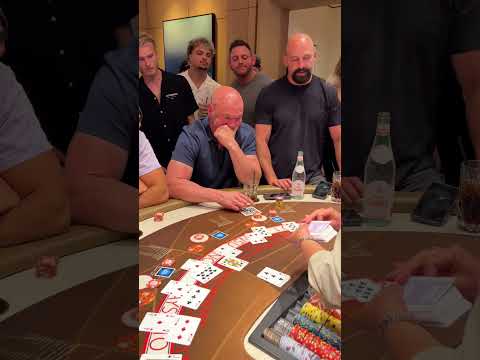
Among expat players in the UAE, cash games at low-to-mid stakes dominate, typically ranging from AED 5/10 to AED 25/50 blinds, with buy-ins capped between AED 1,000 and AED 5,000. No-Limit Hold’em remains the default format, though Pot-Limit Omaha tables appear regularly on weekends. Structured tournaments are less frequent, usually limited to single-table sit-and-gos with AED 300–AED 800 entries, as larger multi-table events require special hosting permissions. Expat preferences skew toward shorter sessions—three to four hours—favoring deep-stack cash play over tournament variance. Mixed games like 2-7 Triple Draw are rare, appearing only in private invite circles.
Expat players in the UAE overwhelmingly choose low-to-mid stake No-Limit Hold’em cash games, with sit-and-go tournaments serving as occasional alternatives—always within AED 5/10 to AED 25/50 blind ranges.
How to Choose Between Texas Hold’em, Omaha, and Mixed Games in the UAE
When you’re picking a game in the UAE, start with your comfort level—Texas Hold’em is the easiest entry point because most local home games and casual tables truewin ae revolve around it, so you’ll face softer competition. If you thrive on action and calculated risk, Omaha’s four-hole-card format rewards tighter preflop discipline and post-flop hand reading, especially in cash games where pots run bigger. Mixed games (like H.O.R.S.E.) are best for experienced players who want variety, but they’re rarer in the UAE, so check your regular poker circle first. Quick rule: choose Hold’em for fast fun, Omaha for deeper strategy, mixed games only if you already know all variants well. Q: What if I’m new and unsure? A: Stick with Hold’em until you win consistently, then test Omaha in low-stakes rounds.
Which Variant Gives Beginners the Best Chance in Small Private Games?
For beginners in small private games across the UAE, **Texas Hold’em offers the best chance** due to its straightforward two-card hand and shared community cards, which simplifies decision-making compared to Omaha’s four-card complexity. In a six-handed or short-handed setting, Hold’em’s preflop ranges are easier to grasp, and pot odds are clearer for newcomers. Mixed games should be avoided initially, as they demand quick adaptation across multiple rule sets, diluting focus. To capitalize on this edge, stick to no-limit Hold’em, observe tighter opponents, and play fewer speculative hands. Choose Texas Hold’em for its forgiving learning curve in small UAE home games.
- Four-card Omaha multiplies potential hand combinations, confusing beginner hand-reading.
- Hold’em’s simpler betting rounds let novices practice position and fold discipline.
- Small private games often have loose players, where Hold’em’s premium hands win more consistently.
How to Spot a High-Skill Cash Game vs. a Recreational-Friendly Table
When picking a recreational-friendly table in the UAE, watch how players handle pre-flop raises—if three or four call every bet, you’re in a soft game. High-skill cash games show frequent three-betting, tight seat selection, and players who buy in for the max without blinking. Also, listen to table talk: laughing about bad beats signals amateurs, while silence and quick chip counts suggest pros. Check the dealer’s speed—recreational tables move slower because players ask for rule reminders. If stacks are uneven and rebuys happen after one drink, you’re safe. Conversely, consistent re-raises from the blinds and players noting your tendencies mean you should rack up.